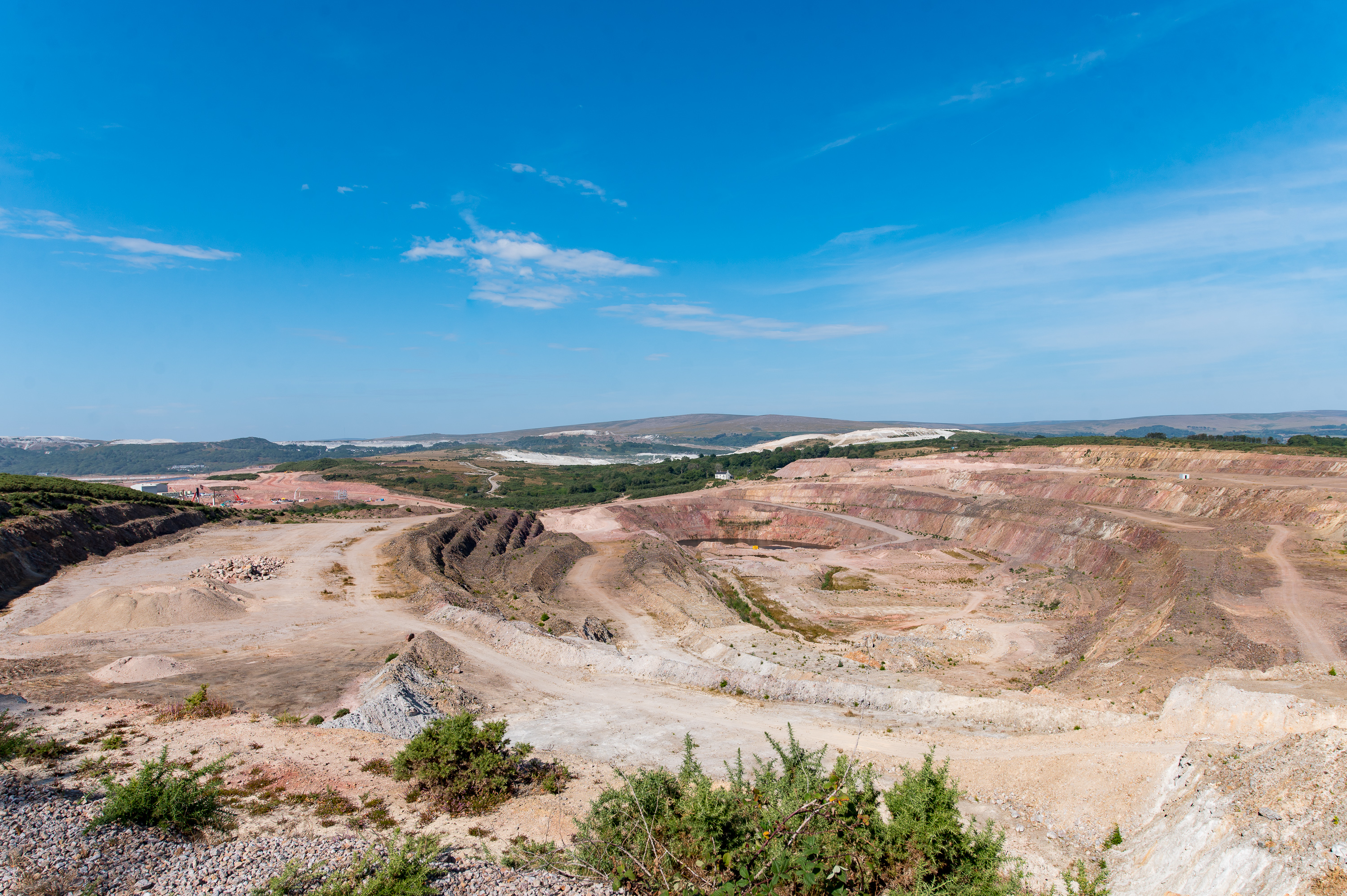
Designed to be a quieter neighbour.
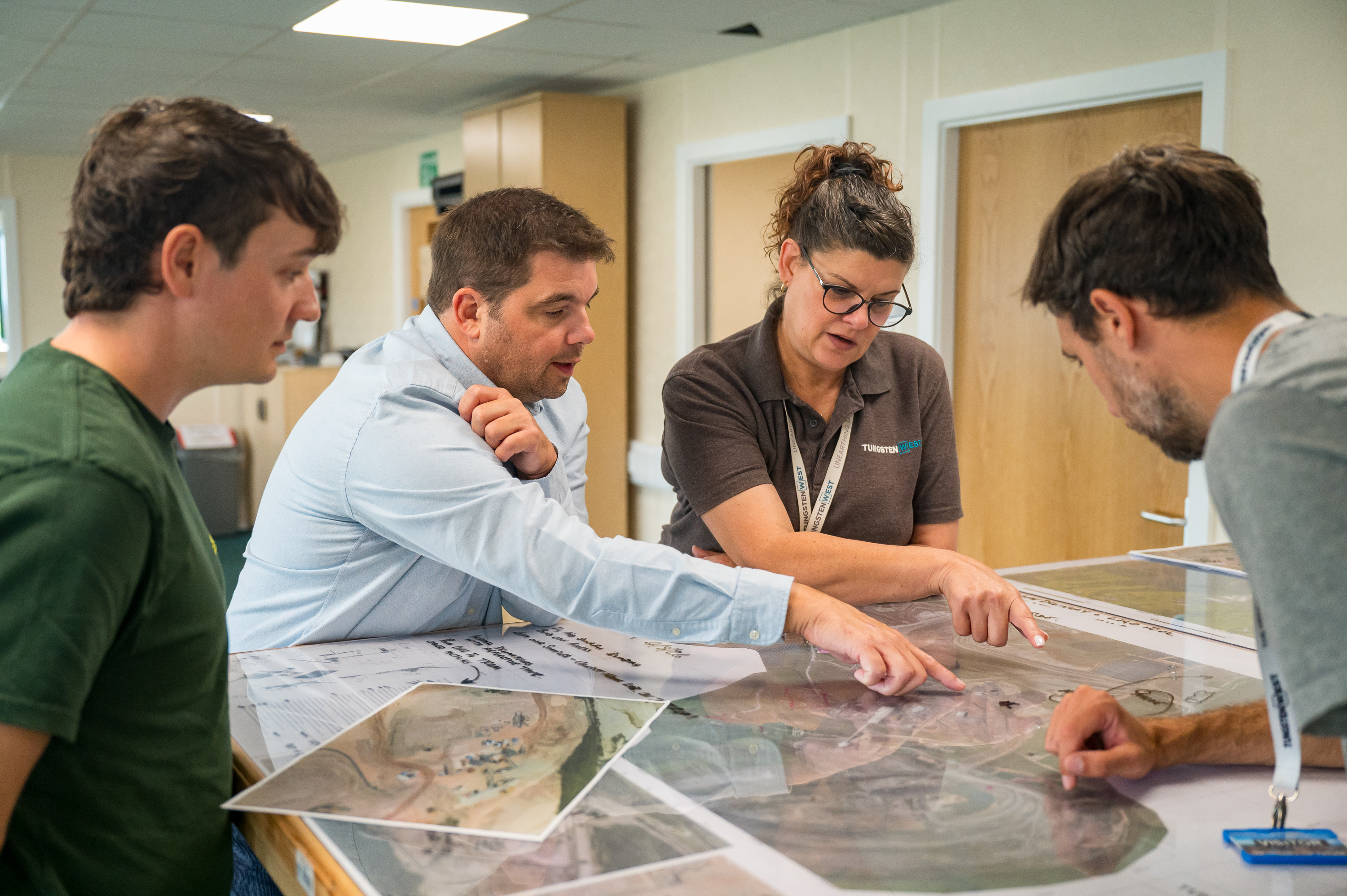
Low frequency noise was reported to the previous operator. It is where our redesign and relaunch has focused.
Many people living around Hemerdon reported low frequency noise from the mine under its previous operator. We haven't forgotten that. When Tungsten West acquired the site in 2019, we set out to restart the mine differently, beginning with the equipment and working practices that caused disturbance in the past. The larger vibrating screens linked to low frequency noise have been decommissioned and removed, and equipment that could generate it today is now housed in rigid enclosures designed to contain it.
We operate under planning permission from Devon County Council, environmental permits issued by the Environment Agency, and oversight from South Hams District Council. Those permits set the limits we work within, and we are committed to meeting them. Where we can do more for the people who live near the mine, we choose to, even when no permit asks us to. This page explains what that looks like in practice, and how we check it is working. In particular, areas where we are operating above the minimum requirements of our permits to be a good neighbour.
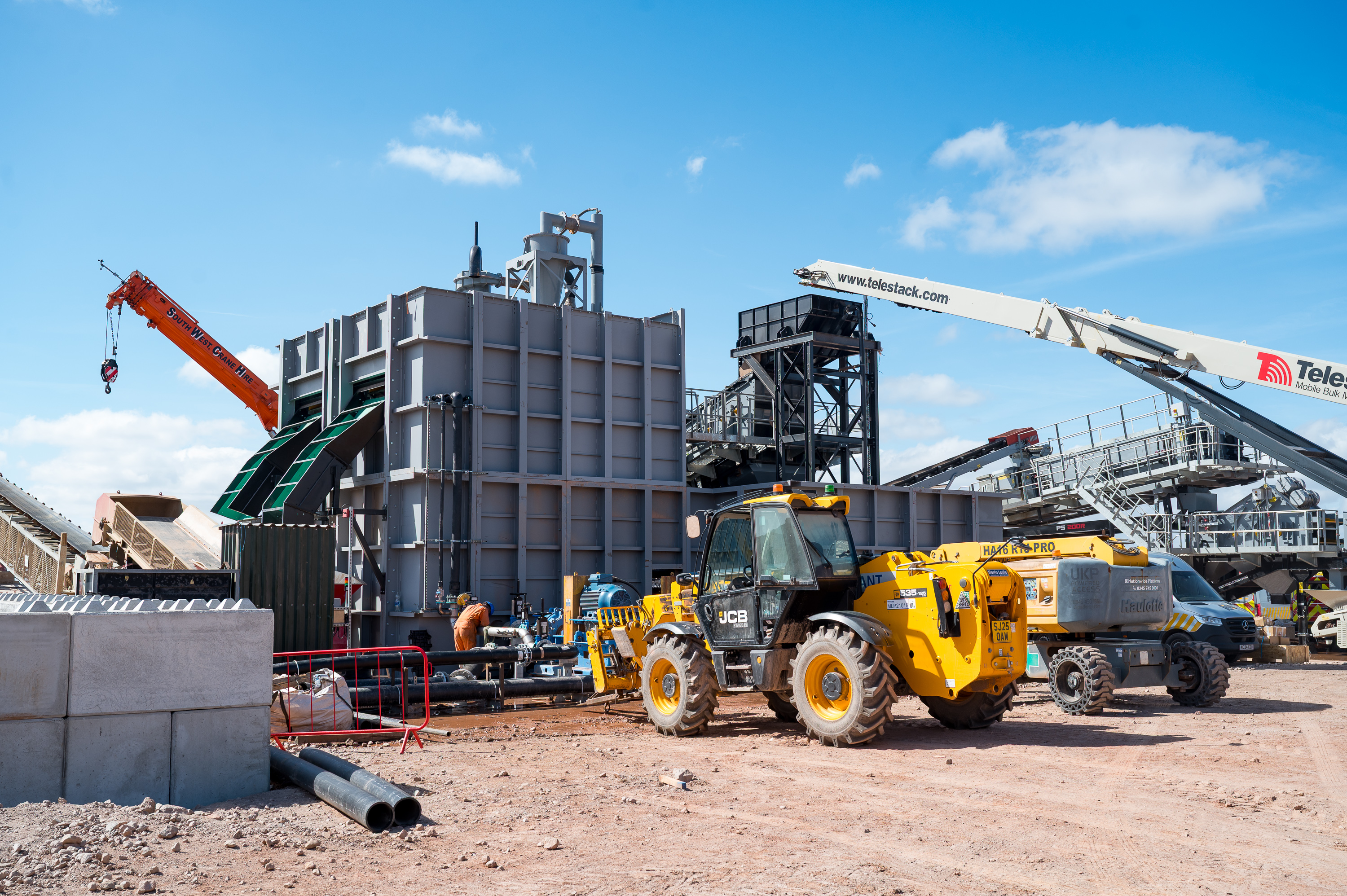
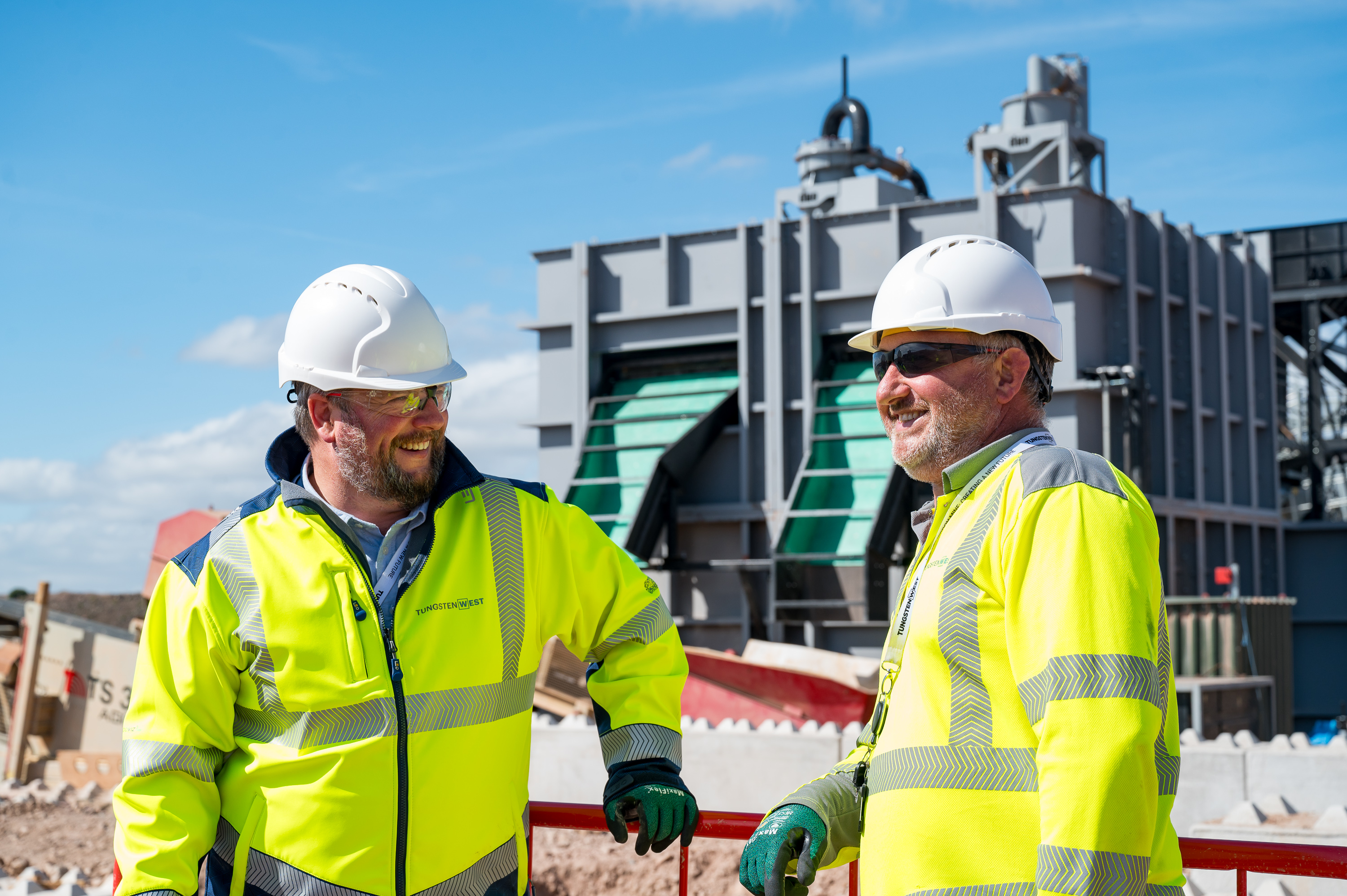
Our new crushers sit largely below ground level, inside concrete and steel buildings.
Crushing and screening rock is the loudest part of processing, and vibrating screens are the main source of low frequency noise, whether in construction, aggregates or mining. Rather than rely on distance or earth banks alone, our new crushers sit in an excavated area, largely below ground level, inside concrete and steel buildings, and our mobile processing front end is enclosed in concrete and steel. This is designed to contain noise, including low frequency noise, at its source, before it can leave the plant.
Doors, ventilation points and conveyor openings are designed and managed to limit noise escaping, and new buildings are fitted with four layer acoustic cladding. We did this to keep our impact on the environment and the community around us as low as possible.
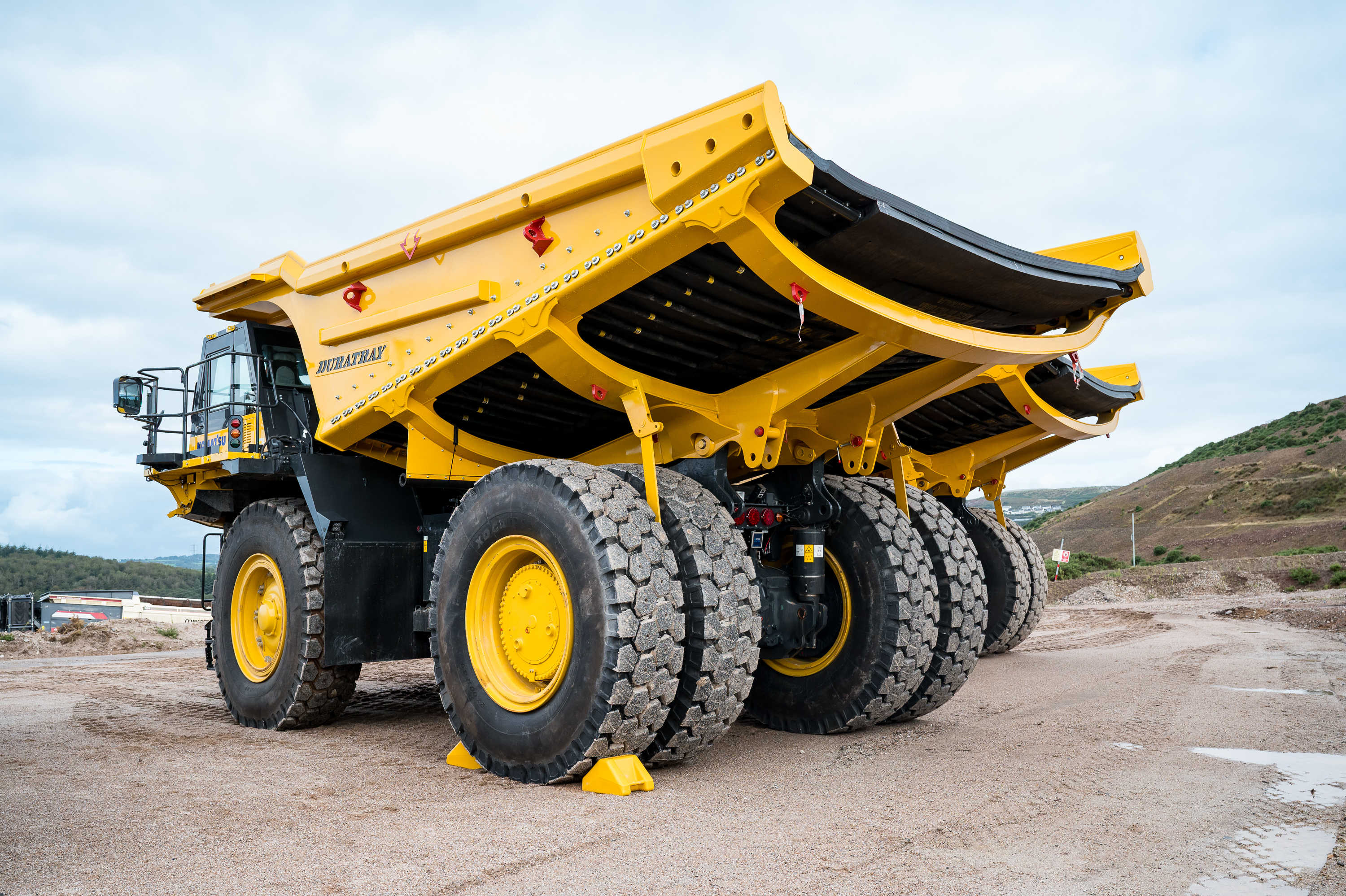
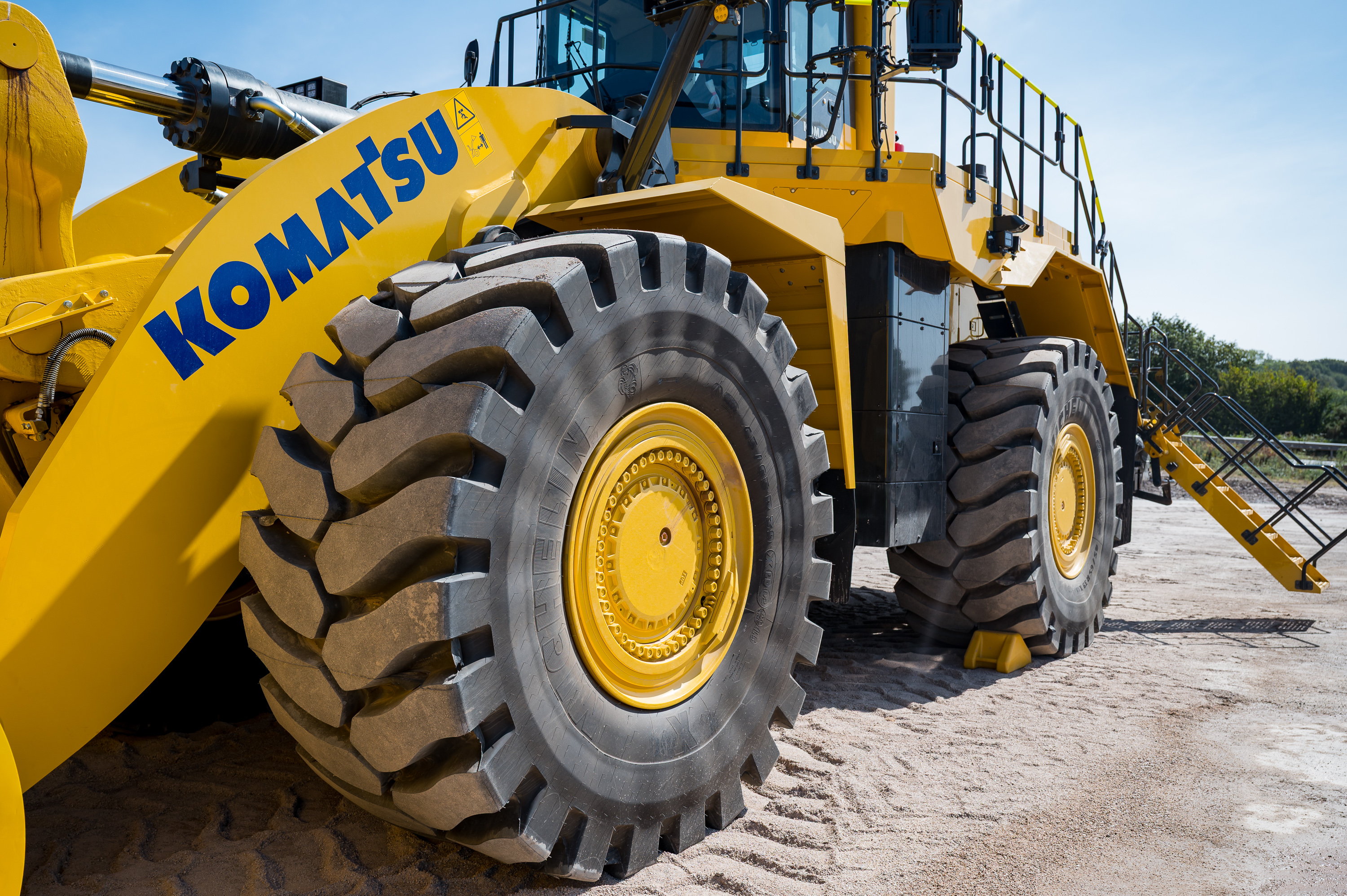
Rubber lined haul truck trays. Quieter loads, fewer trips.
When rock is dropped into an empty steel haul truck body, the impact rings out across the site and beyond. We are fitting rubber trays to our haul trucks to soften that impact and reduce the noise of every load. The trays also increase each truck's payload, which reduces the total number of truck movements.
Nothing in our permits required us to do this. We chose to do it because it reduces noise for the people who live and work near the mine. It sits alongside other everyday measures, such as white noise reversing alarms, that help us keep disturbance as low as we can.
We measure what matters to our neighbours, and act on what we find.
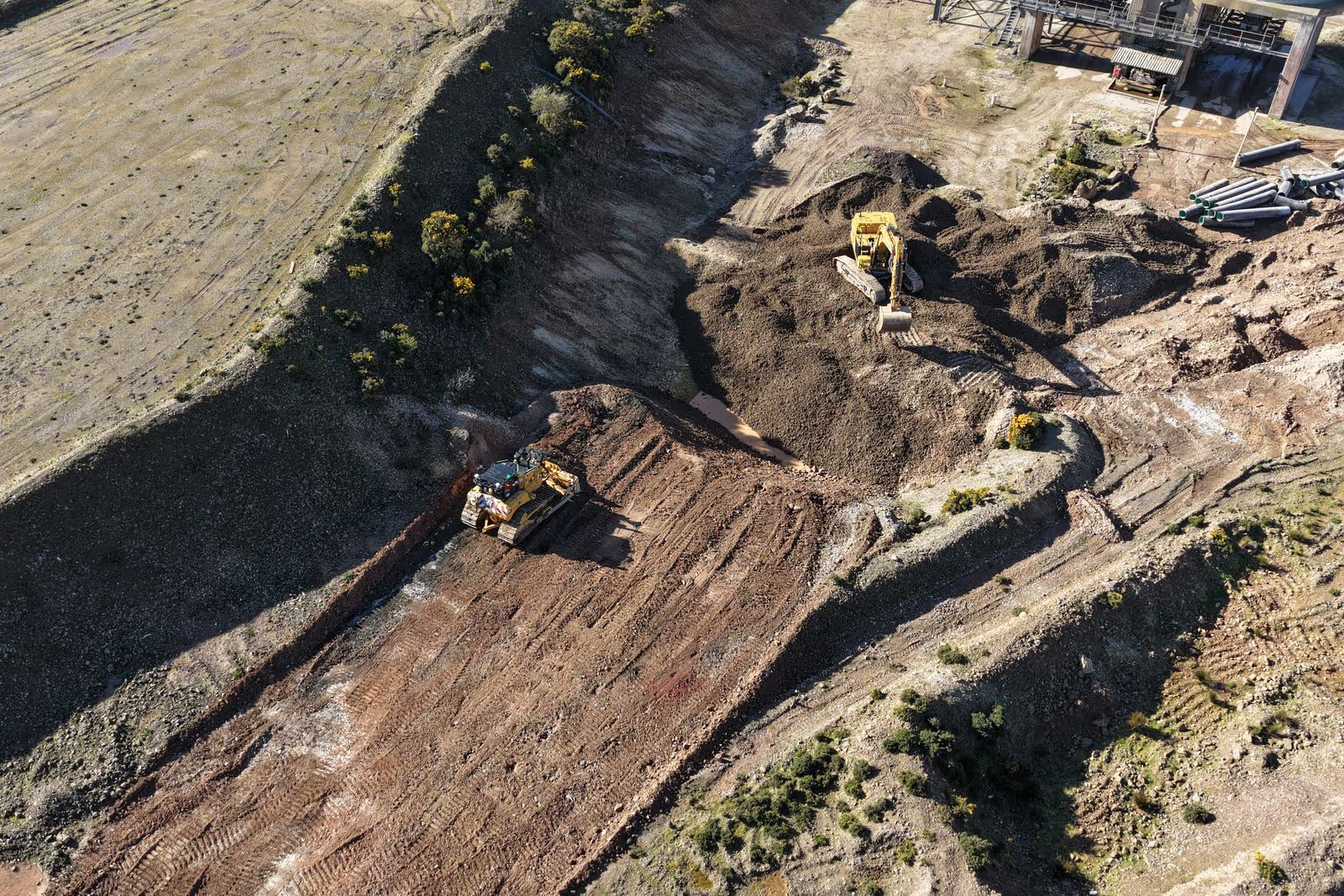
Audible and low frequency noise
Audible noise is monitored continuously at the site boundary, with specialist low frequency noise verification close to our equipment and in nearby communities. Results are checked against the limits in our permits. If monitoring shows a problem, we review operations and add further controls before we go any further.
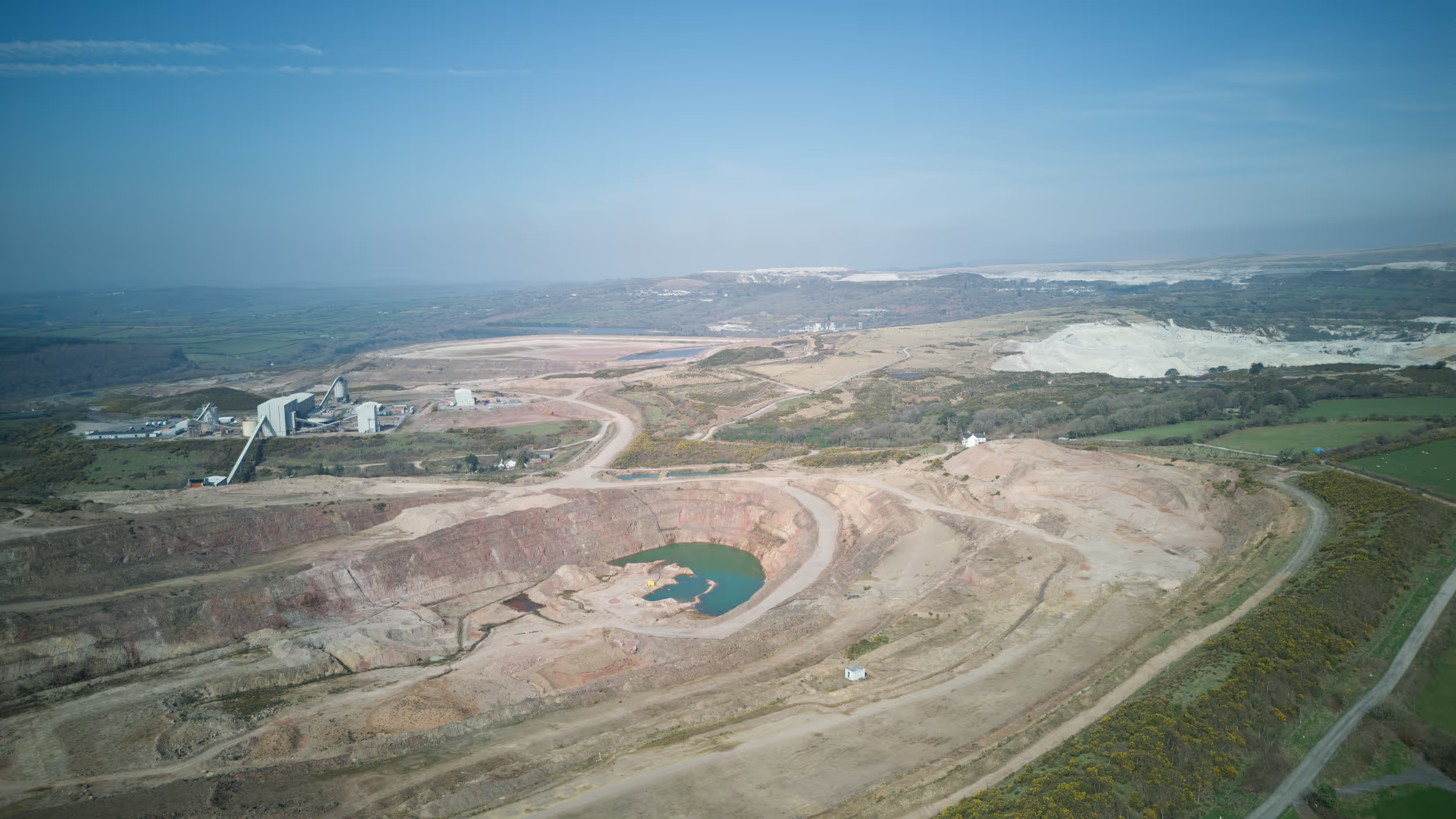
Blasting
Every blast is designed and monitored for ground vibration and air overpressure, and results are assessed against our planning conditions. Blasting only takes place on weekdays, between 10am and 11.30am and between 1pm and 4.30pm, with no more than two blasts a day and six a week.
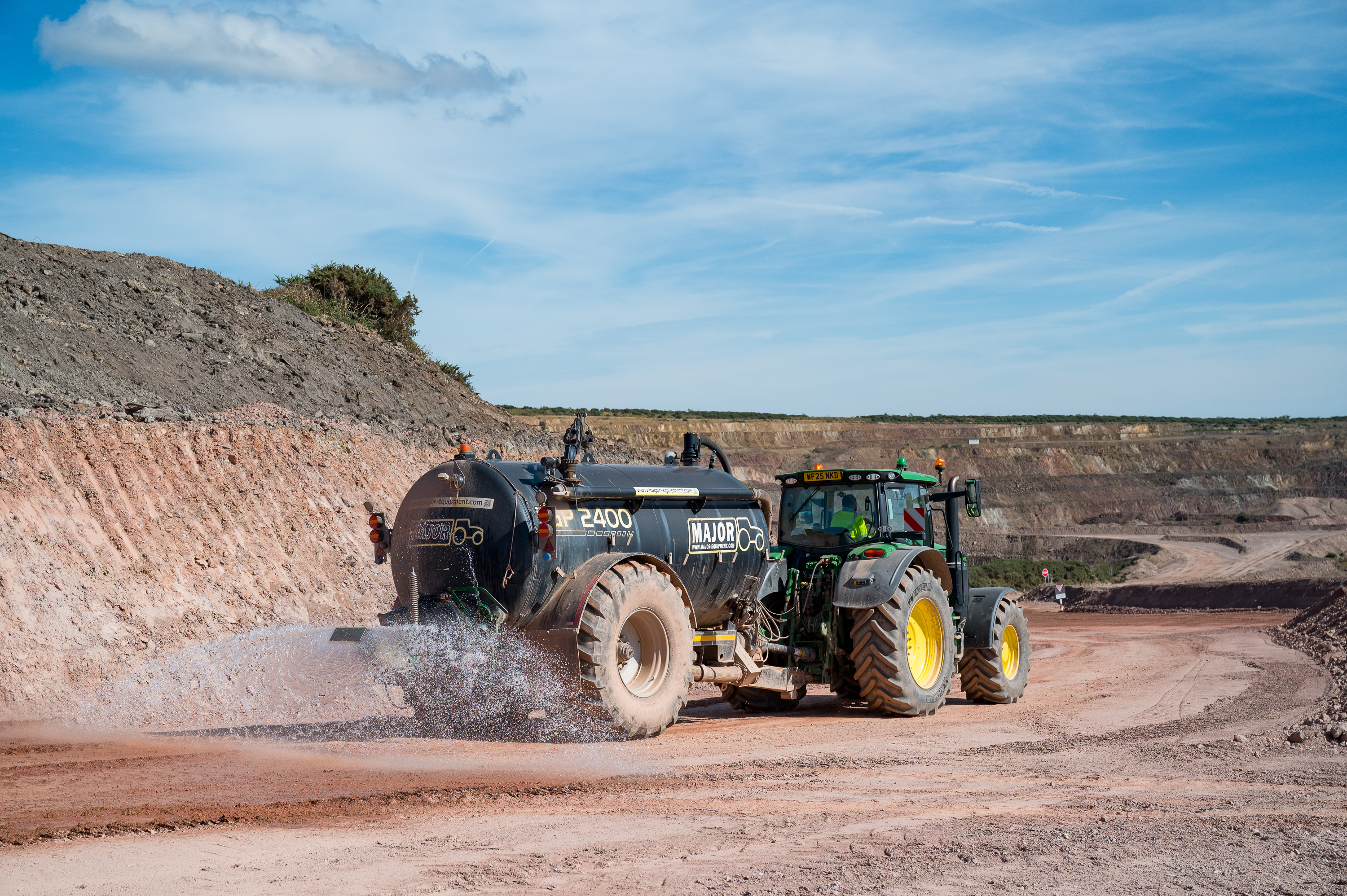
Dust
Crushing and screening equipment is enclosed and fitted with dust extraction or filtration. Haul roads are dampened, lorries are covered and wheel washed, and speed limits apply on site. Deposited dust and fine particles (PM10 and PM2.5) are monitored around the site.
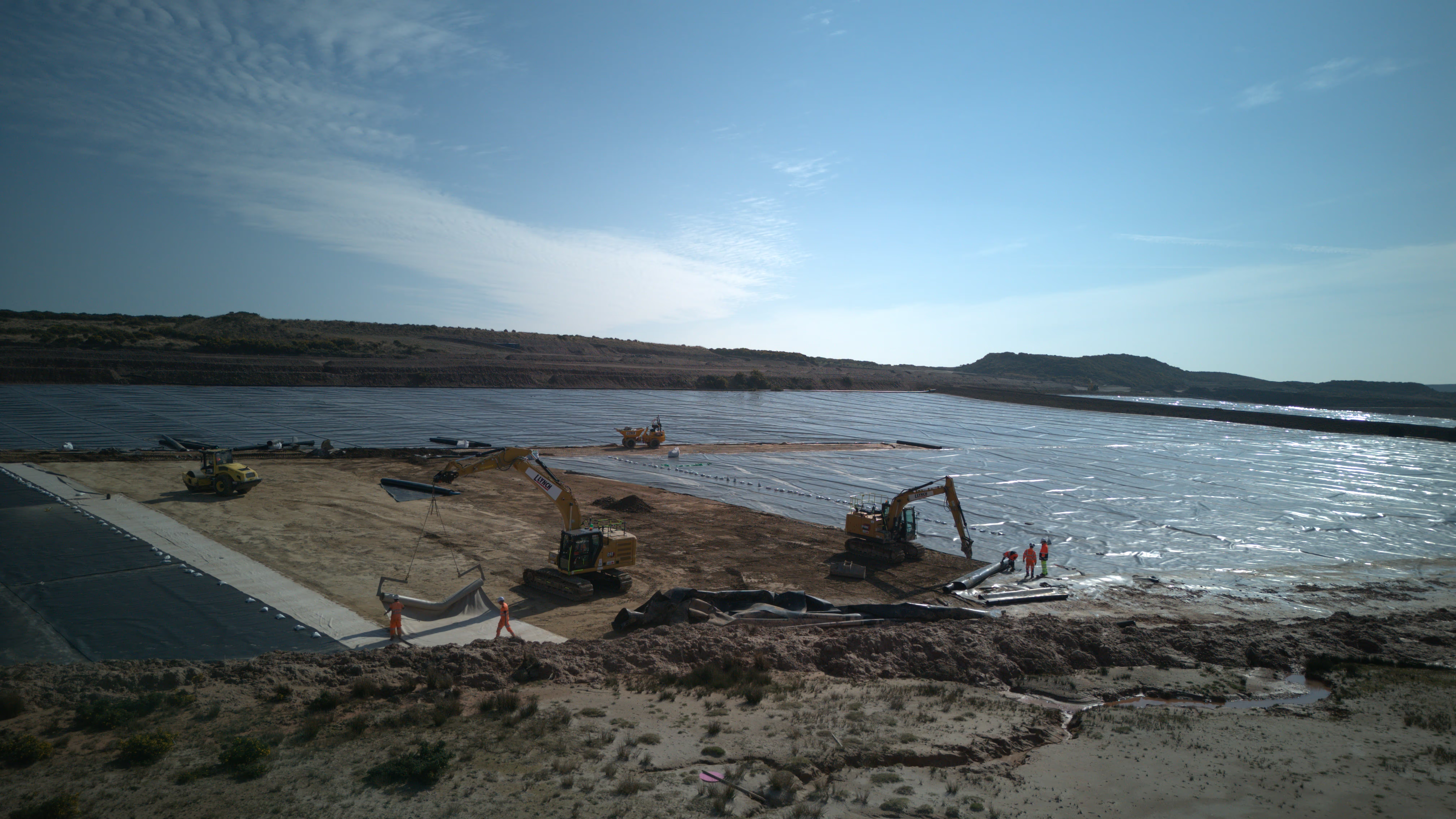
Water
Surface water and groundwater are sampled every month and assessed against permit limits and environmental quality standards. Process water is recycled wherever practicable. Since revised groundwater limits came into effect in November 2025, no permit limits have been exceeded.
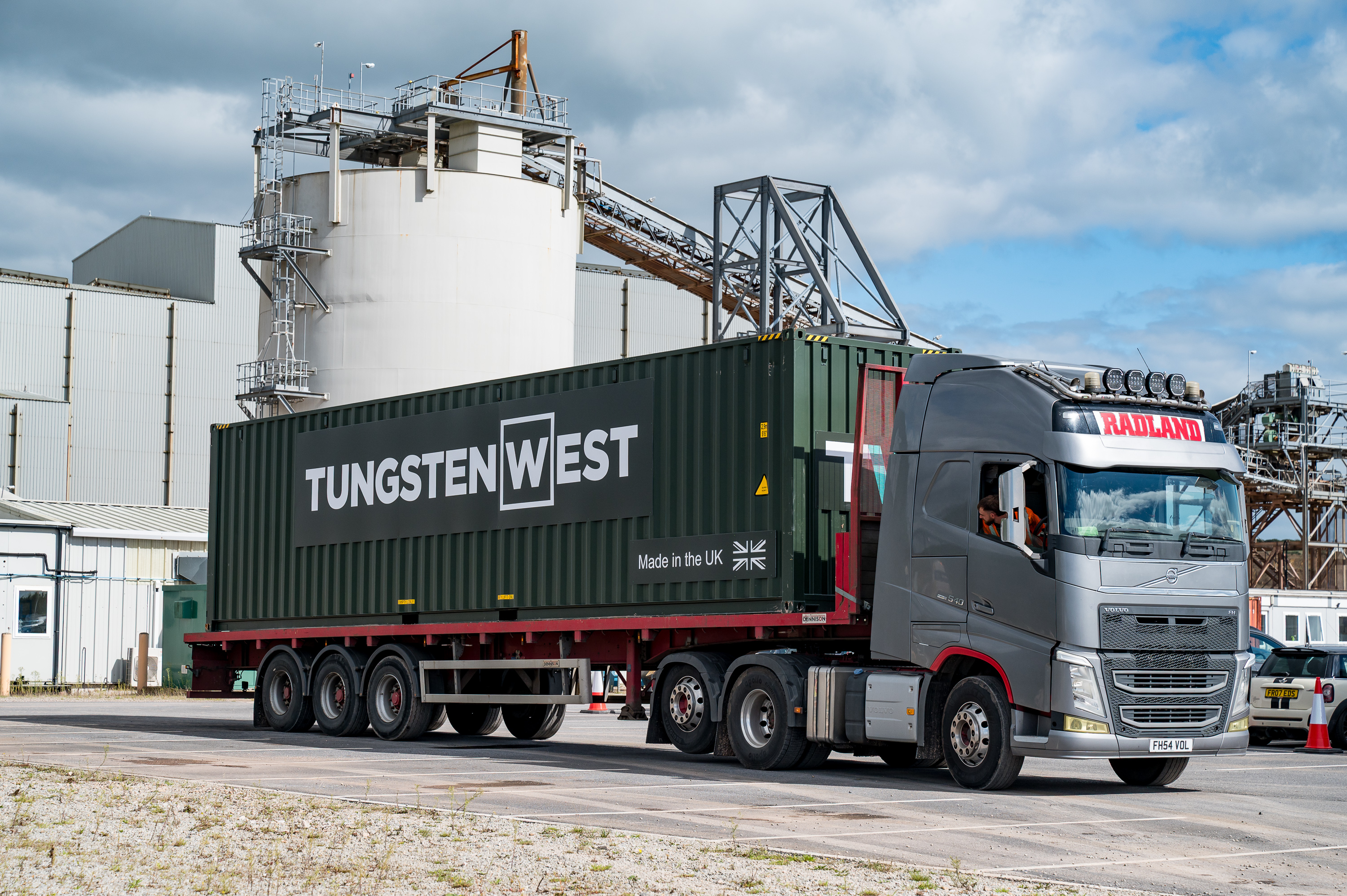
Our tungsten concentrate leaves site in bags, not as a loose bulk load.
Most material leaving a mine or quarry travels as a loose bulk load. Our tungsten concentrate does not. It is packed on site into large bags, around 18 a day at full production, and most of those bags are then loaded into a shipping container. At peak production, that is roughly one lorry of tungsten concentrate leaving site a day. Tin concentrate leaves around once a week.
Keeping our product bagged, with most of it inside a container, means a contained load on local roads and very few lorry movements for the main product we sell. You will recognise those lorries by their Tungsten West branding. Aggregate lorries follow the route agreed with the planning authority and only run Monday to Friday, 7am to 5pm, with none at weekends or on bank holidays.
Tell us if something changes.
We attend Shaugh Prior, Cornwood and Sparkwell Parish Council meetings, hold regular community meet and greet sessions, and host a Local Liaison Group with parish councils, the Environment Agency and Devon County Council. Monitoring results, incidents and complaints are reviewed so that we can adjust operations quickly.
If you notice noise, dust or anything else that concerns you, please tell us. Email community@tungstenwest.com or call 01752 278500 (option 1) to speak to our team.
Want to know more?
Whether you're looking to invest in a world-class mineral asset or build a career in the heart of Devon, there's a place for you in the Hemerdon story.