The metal the modern world can't do without.
Tungsten is not a niche material for niche applications. It sits at the intersection of digital technology, energy transition and defence, three of the biggest themes of the next decade.
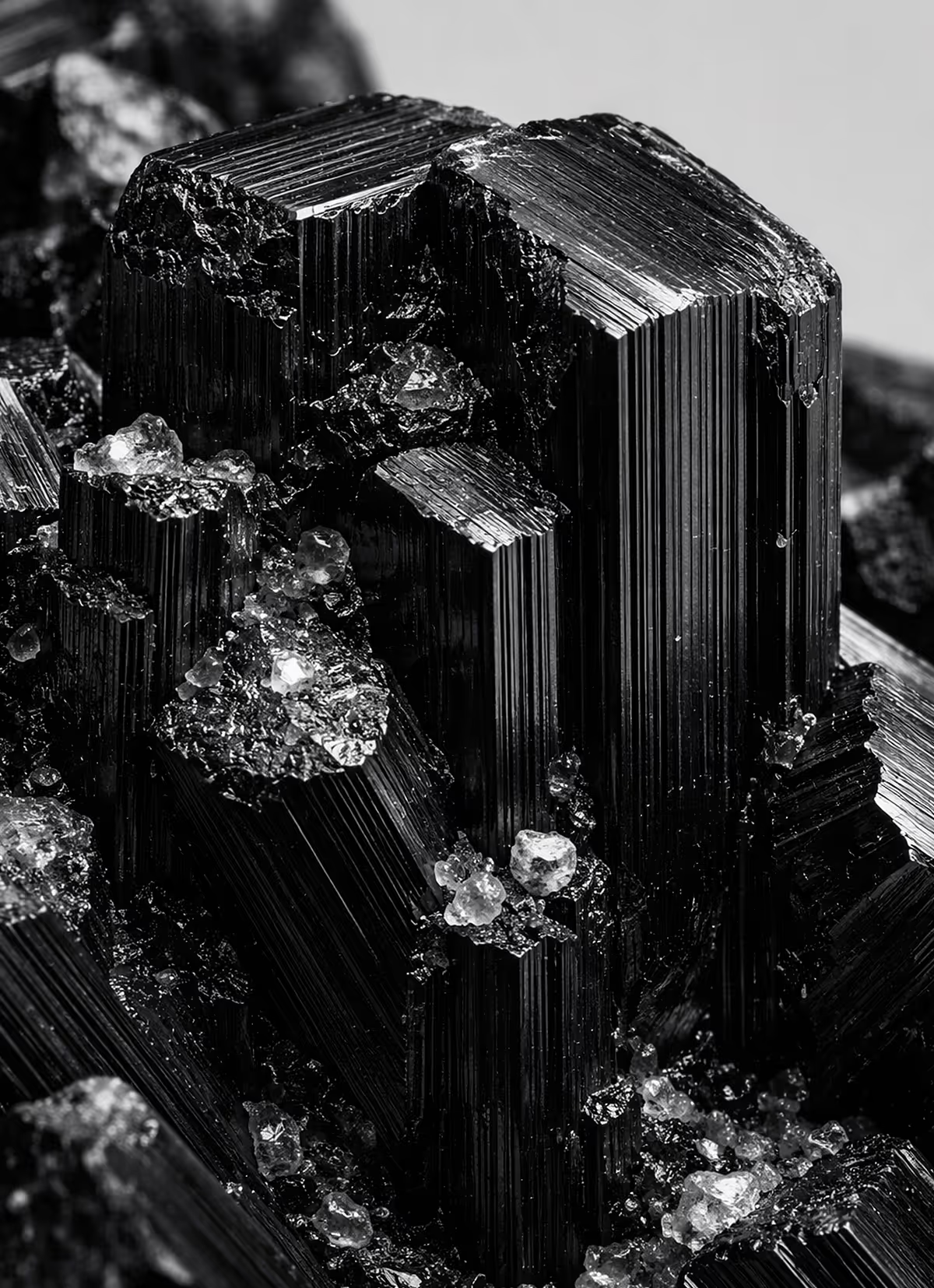
Tungsten has the highest melting point of any known element, 3,422°C, and the highest tensile strength of all metals. In the form of tungsten carbide, it approaches the hardness of diamond. These properties make it irreplaceable across a wide range of applications.
A critical mineral at a critical moment
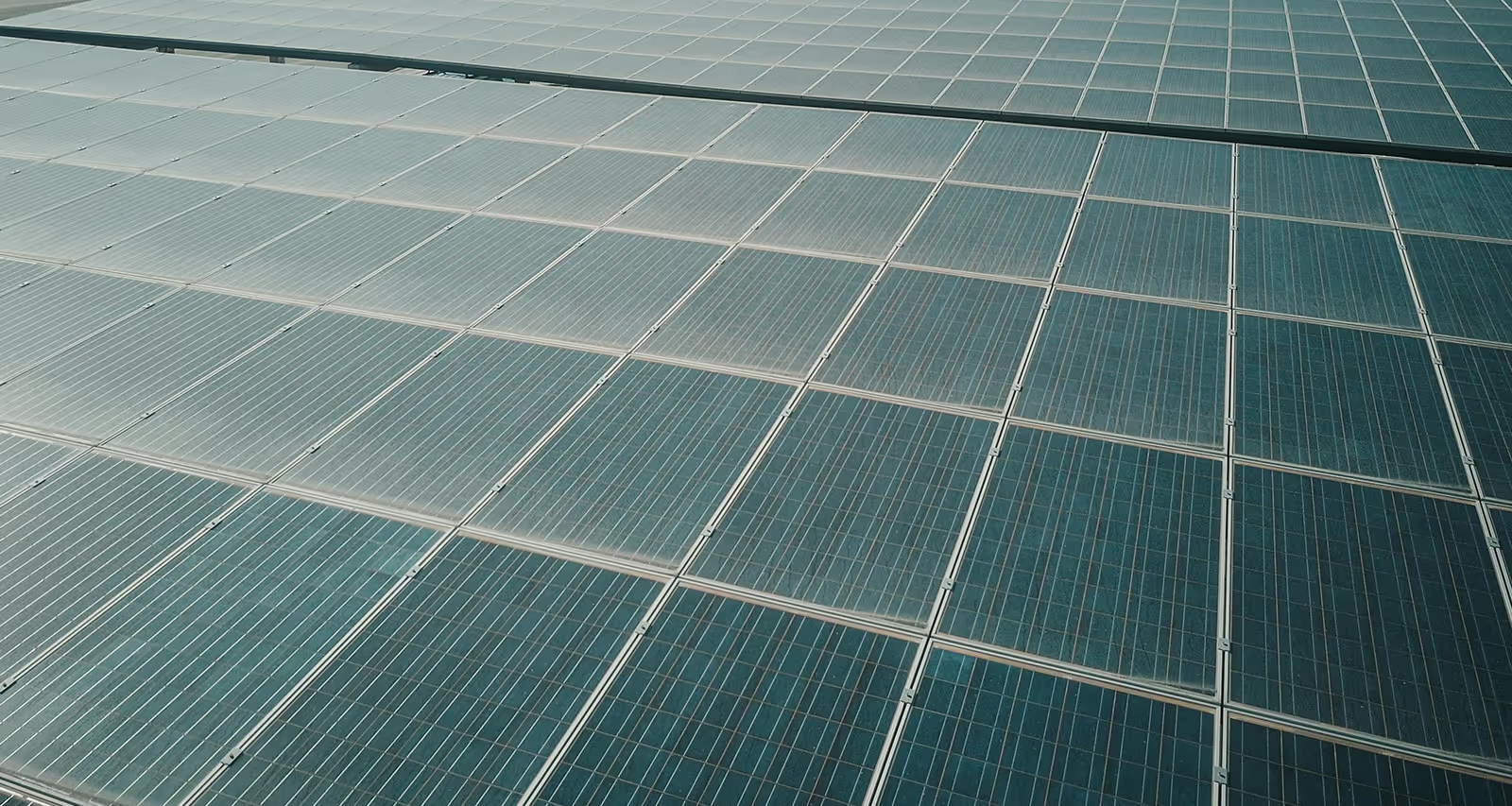
Global demand is rising fast, driven by EVs, renewable energy, semiconductors, and defence. Meanwhile, China has continued the long running trend of reducing exports and has become a large and growing importer of tungsten concentrate. The market is tightening at exactly the wrong moment.
The Problem
Roughly 80% of global tungsten supply has historically come from one country. Britain imports every tonne it uses, with no control over the supply chain that underpins its manufacturing, defence, and energy sectors.
The UK government recognised this when it formally designated tungsten a critical mineral under its Critical Minerals Strategy, identifying domestic supply as a national priority.
The Solution
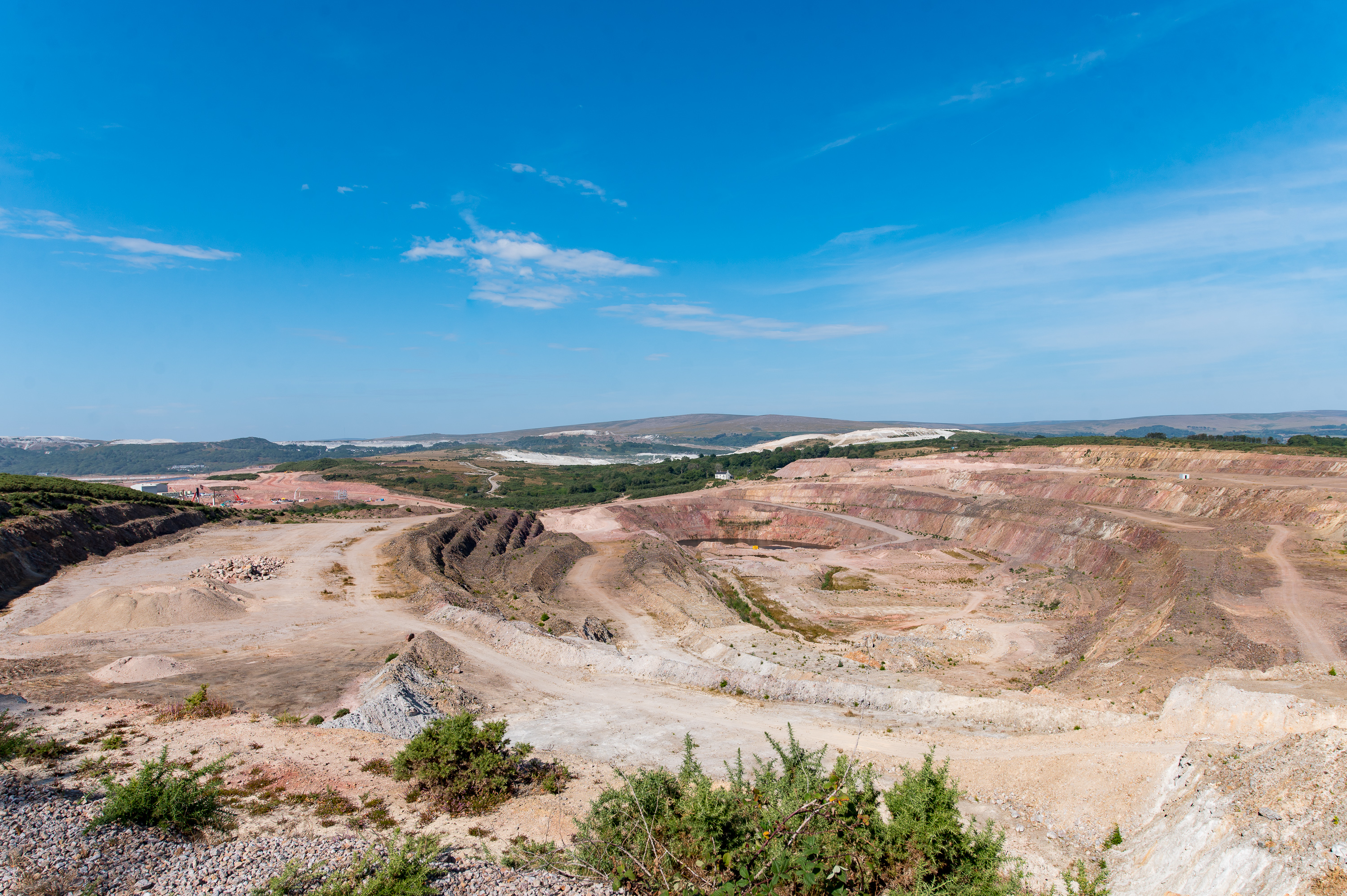
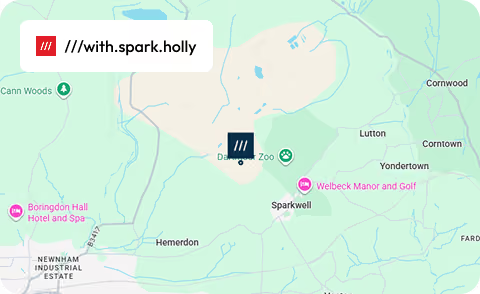
The Hemerdon deposit is one of the largest known tungsten resources globally, and it’s outside China.
The infrastructure exists, the geology is understood, and Tungsten West is here to bring it into full production, giving the UK a secure, sovereign source for the first time.
The concentrate goes out for midstream refining and comes back as finished tungsten products, supporting British industry, defence, and renewable energy.
Built into, and used to build, everything that matters
Want to know more?
Whether you're looking to invest in a world-class mineral asset or build a career in the heart of Devon, there's a place for you in the Hemerdon story.